
Proven Strategies to Switch Your Career To IT
This is the question I get asked more than any other: How can I switch your career to IT when I’ve been doing something else for years? Whether you’re coming from retail, manual labor, or management, your existing skills are more valuable than you think. With over 20 years in the industry, I’m showing you the five quickest ways to make the jump.”
1. Hands-On Individuals: Look For Hardware and IT Shop Positions
Pathway Overview
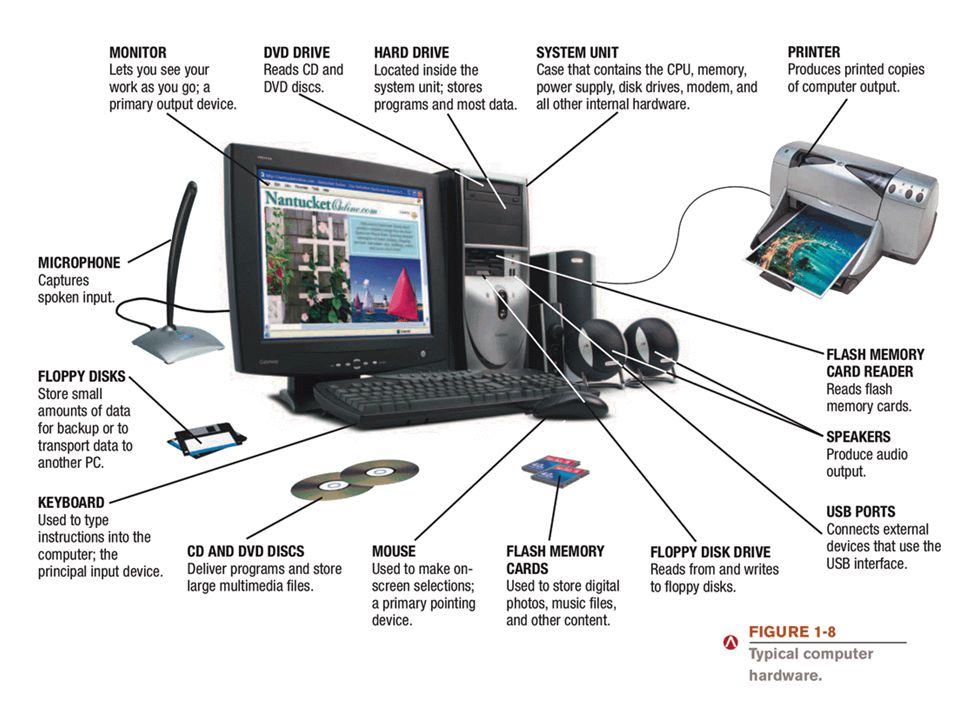
If you’re good with your hands and enjoy working with physical components, starting with a hardware or IT shop position might be the ideal pathway for you. This involves assembling, repairing, and maintaining computers and other IT equipment. (Check your bog box stores career web page or Craigslist ads)
Starting Point: CompTIA A+ Certification
The CompTIA A+ certification is a great starting point for anyone looking to enter the IT industry through hardware and technical support roles. This certification covers the fundamentals of hardware, software, troubleshooting, and networking.
Steps to Transition
- Self-Study and Certification:
- Begin with self-study materials, online courses, or community college classes focused on CompTIA A+.
- Practice hands-on skills by building and repairing computers, either through volunteering or personal projects.
- Register for and pass the CompTIA A+ certification exams (220-1101 and 220-1102).
- Entry-Level Positions:
- Look for entry-level roles such as IT technician, desktop support technician, or hardware technician.
- Gain experience and continue to build your skills by working on a variety of hardware-related tasks.
- Advancement:
- Consider obtaining additional certifications such as CompTIA Network+ or CompTIA Security+ to expand your knowledge and opportunities.
2. Math Enthusiasts: Seek Programming and Development positions
Pathway Overview
For those who excel in math and logical thinking, a career in programming or development can be highly rewarding. This pathway involves writing code, developing software, and solving complex problems. Beware you will be sitting for hours at a time going thru lines of code so this position is for the patient person.

Starting Point: AWS Certified Developer
The AWS Certified Developer certification is a valuable credential for aspiring developers, particularly those interested in cloud computing and Amazon Web Services (AWS).
Steps to Transition
- Learning to Code:
- Start by learning programming languages such as Python, JavaScript, or Java through online courses, bootcamps, or degree programs.
- Work on coding projects to build a portfolio and gain practical experience.
- AWS Certification:
- Study for the AWS Certified Developer certification, which covers AWS services, deployment, and application development on the AWS platform.
- Use resources like AWS training modules, practice exams, and hands-on labs.
- Entry-Level Development Roles:
- Apply for junior developer positions, internships, or freelance projects.
- Focus on gaining experience in developing, deploying, and maintaining applications.
- Continuous Learning:
- Continuously update your skills by learning new programming languages, frameworks, and tools.
- Consider obtaining additional certifications such as AWS Certified Solutions Architect or Google Associate Cloud Engineer.
3. Customer Service Experts: Seek Help Desk and Support Roles
Pathway Overview
If you have strong communication skills and excel in customer service, a help desk or technical support role can be an excellent entry point into IT. This pathway involves assisting users with technical issues, providing support, and ensuring customer satisfaction.
Starting Point: CompTIA Network+ Certification
The CompTIA Network+ certification is ideal for those looking to start a career in IT support. It covers networking concepts, troubleshooting, and security, providing a solid foundation for help desk roles. Indeed career board has a lot of help desk positions available in any city.
Steps to Transition
- Customer Service Skills:
- Leverage your existing customer service skills to excel in communication and problem-solving.
- Take advantage of any on-the-job training or mentoring opportunities.
- Certification:
- Study for the CompTIA Network+ certification using online courses, study guides, and practice exams.
- Gain a basic understanding of networking concepts and troubleshooting techniques.
- Entry-Level Help Desk Positions:
- Apply for help desk, technical support, or IT support specialist roles.
- Focus on gaining experience in resolving technical issues and providing excellent customer service.
- Career Advancement:
- Consider additional certifications such as CompTIA Security+ or Microsoft Certified: Modern Desktop Administrator Associate to advance your career.
- Explore opportunities for specialization, such as network administration or cybersecurity.
4. Creative Thinkers: Seek Web Development and Design positions
Pathway Overview
For those with a creative flair and an interest in technology, web development and design offer a fulfilling career path. This involves creating and maintaining websites, focusing on both aesthetics and functionality.
Starting Point: Google UX Design Professional Certificate
The Google UX Design Professional Certificate is a comprehensive program that teaches the fundamentals of user experience (UX) design, including wireframing, prototyping, and user research.

Steps to Transition
- Learning Web Development:
- Start by learning HTML, CSS, and JavaScript through online courses, bootcamps, or community college classes.
- Build a portfolio of projects to showcase your skills and creativity.
- UX Design Certification:
- Enroll in the Google UX Design Professional Certificate program to learn about user-centered design principles and techniques.
- Complete hands-on projects to gain practical experience.
- Entry-Level Roles:
- Apply for entry-level web developer, front-end developer, or UX designer positions.
- Focus on gaining experience in both technical and design aspects of web development.
- Continuous Improvement:
- Continuously update your skills by learning new web development frameworks, design tools, and best practices.
- Consider additional certifications or courses in areas such as graphic design, SEO, or mobile app development.
5. Analytical Minds: Seek Data Analysis and Business Intelligence positions
Pathway Overview
For individuals who excel in data analysis and enjoy working with numbers and statistics, a career in data analysis or business intelligence can be highly rewarding. This pathway involves analyzing data to provide insights and support decision-making.
Starting Point: Microsoft Certified: Data Analyst Associate
The Microsoft Certified: Data Analyst Associate certification is a valuable credential for aspiring data analysts. It covers data preparation, modeling, visualization, and analysis using Microsoft Power BI.

Steps to Transition
- Learning Data Analysis:
- Start by learning data analysis tools and techniques through online courses, bootcamps, or community college classes.
- Gain practical experience by working on data analysis projects using tools like Excel, SQL, and Power BI.
- Certification:
- Study for the Microsoft Certified: Data Analyst Associate certification using online courses, study guides, and practice exams.
- Develop proficiency in data preparation, modeling, and visualization.
- Entry-Level Roles:
- Apply for entry-level data analyst, business intelligence analyst, or reporting analyst positions.
- Focus on gaining experience in analyzing data, creating reports, and providing actionable insights.
- Career Advancement:
- Consider additional certifications such as Microsoft Certified: Azure Data Scientist Associate or Google Data Analytics Professional Certificate to advance your career.
- Explore opportunities for specialization, such as data engineering or machine learning.
Conclusion– Switch Your Career to IT
Deciding to switch your career to IT can be a smooth and rewarding process, especially when you choose a path that aligns with your specific strengths. Whether you’re hands-on, excel in customer service, or possess strong analytical skills, there is a pathway that suits you. You don’t necessarily need a degree; often, the right certification is enough to open doors for entry-level roles. By obtaining these credentials and gaining practical experience, you can quickly switch your career to IT and find long-term success in this lucrative industry. I hope this information assists you in navigating your transition toward a fulfilling new chapter.
Muss Sterrett is an IT Specialist with hands-on experience in cloud apps, enterprise technology, and AI-powered productivity tools. He writes about tech careers, emerging AI tools, and the intersection of technology and human performance. Follow along for weekly insights on https://www.musssterrett.com and connect on [LinkedIn].